
Arcadia Dental Arts • Phoenix, AZ
Porcelain Veneers in Phoenix, AZ
Porcelain veneers are among the most life-changing cosmetic treatments we provide at Arcadia Dental Arts. Dr. John Pappas, an award-winning Phoenix dentist, places custom-made, incredibly thin shells on the surface of each tooth to refine color, shape, and the overall look of a smile.
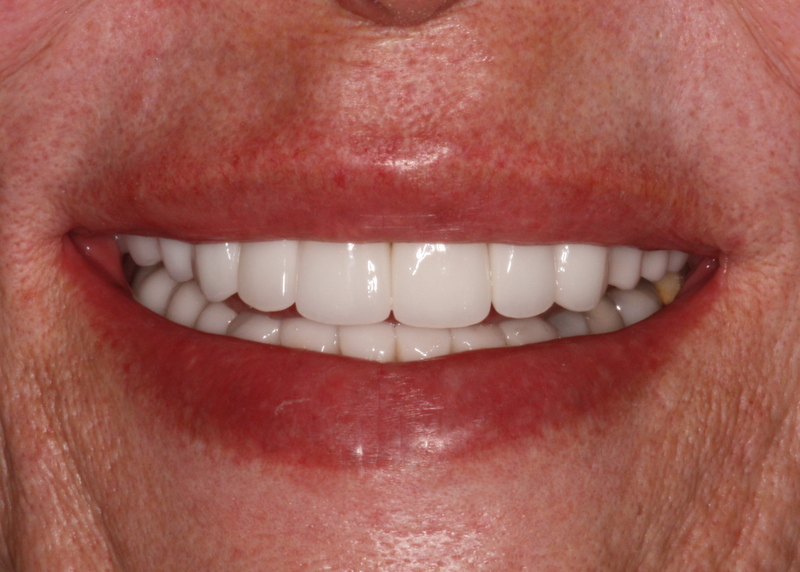
Cosmetic Dentistry
A brighter, more confident smile—crafted to look natural.
Porcelain veneers are thin shells bonded to the front surface of visible teeth to improve appearance. They can cover discoloration, chips, gaps, and reshape teeth for a more balanced, polished smile.
What Are Porcelain Veneers?
Porcelain veneers are custom-made restorations placed on the front surface of teeth. They’re designed to mimic natural enamel’s translucency and light reflection while providing a strong, stain-resistant surface. Veneers are typically considered cosmetic, so underlying oral health issues should be treated first.
What veneers can do
- Brighten teeth with deep or stubborn staining
- Repair small chips and worn edges
- Close minor gaps and refine symmetry
- Improve mild alignment or shape concerns
Why Arcadia uses porcelain
Porcelain closely resembles natural enamel and generally resists staining because it is non-porous. Each veneer is custom-made for shade, contour, and bite harmony.
The Concerns Porcelain Veneers Can Correct
Veneers are often recommended when whitening won’t address internal discoloration, or when you want a predictable, uniform enhancement across the smile zone.
Deep discoloration
Great for stains that don’t respond evenly to whitening.
Chips & wear
Refine edges and restore harmony to the smile line.
Gaps & shape
Close small spaces and improve tooth proportions.
Good Candidates for Porcelain Veneers
Veneers are cosmetic. Any serious decay, deep cracks, gum disease, or bite issues should be addressed first. During your consultation, Dr. Pappas evaluates tooth structure, enamel thickness, gum health, and your goals.
What Is the Process for Placing Veneers?
Veneers are typically completed in two appointments. A small amount of enamel may be removed to create space so the final veneers look natural (not bulky). You may wear temporaries while your final veneers are crafted.
- Plan + shade selectionWe discuss goals and select the ideal shade and shape.
- PreparationTeeth are cleaned and conservatively prepared when needed.
- Impressions / scansSent to the lab to craft your custom veneers.
- Final placementWe verify fit and aesthetics, then bond veneers permanently.
Caring For Your Veneers
Daily habits
- Brush and floss daily
- Keep routine cleanings and exams
- Avoid chewing ice or very hard items
- Wear a nightguard if you grind your teeth
How long do veneers last?
Many veneers last 10+ years with good care. Long-term outcomes depend on oral health, bite forces, and habits like grinding.
The Arcadia Difference
Dr. John Pappas and his team combine warmth and craftsmanship—pairing advanced technology with meticulous attention to detail. Every veneer plan is personalized to your facial features, bite, and goals to keep results natural-looking.
Porcelain Veneer FAQs
Many porcelain veneers last 10+ years with strong home care and routine dental visits. Longevity depends on gum health, bite forces, and habits like grinding. Some patients will need replacement sooner; others may keep veneers longer.
The cost depends on the number of veneers and complexity of the case. After evaluating your smile goals, we can provide a clear estimate and financing options if desired.
Because veneers are typically considered cosmetic, many insurance plans do not cover them. We can help you understand any benefits available and discuss payment options.
Porcelain is generally stain-resistant because it’s non-porous, but bonding edges and nearby natural teeth can discolor. Routine cleanings and good home care help keep everything looking consistent.
Some temporary sensitivity can happen after tooth preparation. It’s usually mild and improves as your teeth adjust and the final veneers are bonded.
Grinding can increase risk of chipping or loosening. Many patients can still be candidates if they wear a custom nightguard and we design the bite thoughtfully. We’ll evaluate your situation during your consult.
Credible Sources
For readers who want clinical background on veneers, here are reputable references: